
Styling & Culture Guide
How to care for hand‑embroidery on Pakistani garments that travel in the U.S. climate?
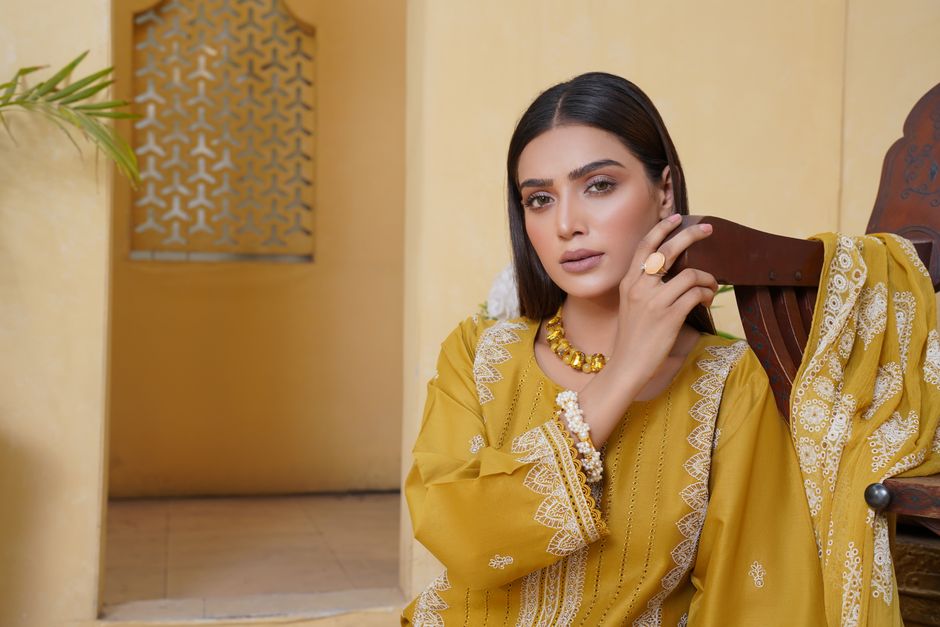
Hand‑embroidered Pakistani garments require special attention to survive the varied US climate, from humid Pacific Northwest summers to dry Midwestern winters. The core answer: store in breathable cotton bags, avoid prolonged exposure to moisture or extreme heat, and use gentle, low‑temperature washing methods to protect delicate zardozi, gota patti, and mirror work.
First, always inspect the garment for any loose threads or dangling beads before cleaning. Spot‑clean minor stains with a soft, white cloth dampened with lukewarm water and a mild detergent, never rubbing directly on the embroidery. For larger areas, hand‑wash the piece inside‑out in a basin of cool water, adding a few drops of a neutral pH detergent designed for silk or delicate fabrics. Soak briefly—no more than five minutes—then rinse gently with cool water.
When machine washing is unavoidable, place the garment in a mesh laundry bag and select the delicate cycle with cold water and a minimal spin. Avoid bleach, fabric softeners, and harsh agitators, which can snag threads or dull metallic accents. After washing, press the fabric on a low heat setting using a clean press cloth between the iron and the embroidery; high heat can melt threadwork and cause the delicate foil in mirror work to peel.
Drying is another critical step. Never tumble‑dry embroidered pieces; instead, lay them flat on a clean, dry towel in a well‑ventilated area away from direct sunlight, which can fade vibrant colors. For humid regions like Seattle, use a dehumidifier or a fan to speed up drying and prevent mildew on the intricate stitching.
Finally, store the garment properly for long‑term preservation. Wrap it in acid‑free tissue paper and place it inside a breathable cotton garment bag, avoiding plastic covers that trap moisture. For seasonal wardrobes, consider using cedar blocks or lavender sachets to deter moths without harming the fabric. For more tips on traveling with delicate party wear, see our guide on Tips for selecting lightweight summer fabrics for Pakistani party wear that won’t wrinkle during travel across the US.
Frequently Asked Questions
Can I machine‑wash hand‑embroidered Pakistani garments from Zarah Styles?↓
It’s best to avoid the machine; hand‑washing in cool water with a mild detergent preserves delicate stitches. If you must use a washer, place the piece in a mesh laundry bag on the gentle cycle and air‑dry flat.
How should I store my embroidered outfits to prevent damage during seasonal changes?↓
Keep garments in breathable garment bags or cotton pillowcases, and store them in a cool, dry closet away from direct sunlight. Adding a lavender sachet helps deter moths without harming the fabric or embroidery.
What’s the safest way to remove stains from intricate threadwork or mirror work?↓
Blot the stain gently with a damp cloth and a small amount of neutral soap, avoiding rubbing which can pull threads. For tougher spots, test a mild stain remover on an inconspicuous area first, then rinse with cool water.
Do I need special care when traveling with Zarah Styles pieces across different U.S. climates?↓
Pack embroidered items in a rigid garment box or folded between clean sheets to protect the stitching from humidity and temperature shifts. If traveling long distances, consider a portable dehumidifier pack to keep moisture levels stable.
Elevate Your Wardrobe
Discover our curated collection of authentic Pakistani formal wear, bridal pieces, and everyday elegance.