
Styling & Culture Guide
What are the top Pakistani designer sherwani trends for U.S. winter weddings?
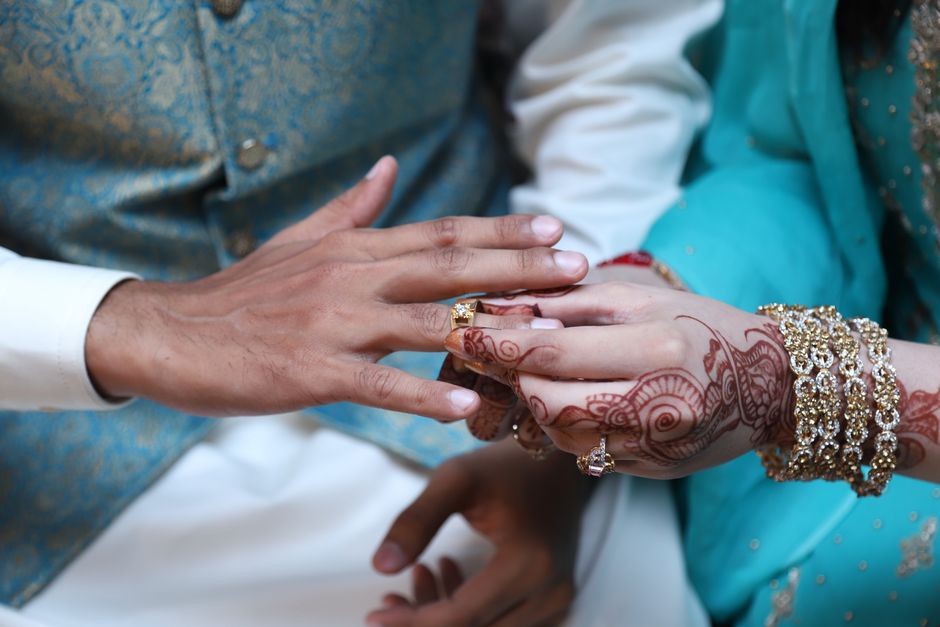
When planning a U.S. winter wedding, men who choose a Pakistani designer sherwani are looking for garments that balance classic elegance with practical warmth. The most sought‑after trends this season combine lightweight fabrics, intricate hand‑embroidery, and a silhouette that flatters both tall and athletic builds—making a bold statement while staying comfortable in indoor venues and occasional snowdrifts. 1. Lightweight Silk‑Chiffon Blends – Winter does not have to mean heavy wool. Modern Pakistani sherwanis are increasingly crafted from silk‑chiffon mixes that provide breathability and a subtle sheen. These fabrics maintain warmth through layered construction, yet allow movement for dancing and mingling at receptions. A silk‑chiffon sherwani in a deep burgundy or navy will look as striking on a snowy aisle as it would under the lights of a grand ballroom. 2. Bold, Hand‑Embroidery on Neutral Bases – Traditional zardozi, gota patti, and mirror work are now often applied to darker, neutral bases such as charcoal, midnight blue, or muted emerald. This technique lets the embroidery pop without overwhelming the wearer, a key consideration for men who want a sophisticated yet understated look in the U.S. winter season. 3. Jewel‑Tone Accents and Metallic Threads – While the base of the sherwani may be a deep, muted color, jewel‑tone accents in rose gold, sapphire, or emerald thread add depth and visual interest. These subtle pops of color reflect modern American wedding palettes and make the sherwani feel fresh against traditional wedding themes. 4. Tailored Cut‑Outs and V-Necks – A contemporary silhouette often includes a V‑neck or a discreet cut‑out at the chest, allowing for better airflow and a stylish contrast to the classic front‑placket. The cut‑out can also showcase a subtle, embroidered motif, adding a personalized touch that aligns with the U.S. bride’s wedding aesthetic. 5. Layering Options – Capes and Cloaks – Many Pakistani designers now provide detachable capes or cloaks that pair with the sherwani. These layers add both visual drama and practical warmth, especially useful for outdoor winter receptions or venues with fluctuating temperatures. 6. Ready‑to‑Wear Versus Bespoke – The U.S. market sees a surge in ready‑to‑wear Pakistani sherwanis that ship directly from U.S. warehouses, cutting the usual 4‑to‑6‑week overseas shipping time. This approach allows brides and grooms to try on a range of styles in person—particularly convenient for families traveling from different states. For those who prefer a custom fit, many designers still offer tailor‑made options but with U.S. shipping to avoid international delays. 7. Sustainable Fabric Choices – Eco‑friendly options such as organic silk, bamboo blends, and recycled polyester are gaining traction. They not only reduce the environmental impact but also provide durability and a natural resistance to winter humidity—an important factor for maintaining crisp lines during the season. 8. Complementary Accessories – Pairing the sherwani with traditional South Asian footwear—hand‑crafted khussas or Punjabi juttis—adds authenticity. Complementary jewelry like a subtle chain, cufflinks, or a simple brooch can elevate the ensemble while keeping the look grounded in Western wedding expectations. 9. Color Palette Adaptation for U.S. Venues – While bright, saturated colors are traditional, current trends favor muted, earthy tones—such as forest green, deep plum, and slate gray—paired with metallic accents. These hues resonate with contemporary U.S. wedding decor, especially in winter venues that often incorporate natural wood, stone, or candlelight. 10. Versatility Across Seasons – A well‑designed Pakistani sherwani can be worn beyond the wedding day. Its layered construction, breathable fabric, and timeless embroidery make it suitable for anniversaries, formal events, or cultural celebrations, providing long‑term value for U.S. families. For families in the Pacific Northwest who want to try on these styles before shipping, local pickup in Sammamish or Seattle is available—ensuring a hassle‑free experience. If you’re looking for more regional guidance, check out our guide on What are the best Pakistani party wear options for outdoor festivals in Seattle’s summer weather? to see how these trends translate into everyday wear. By embracing lightweight fabrics, bold embroidery, and versatile layering, U.S. wedding grooms can enjoy a Pakistani designer sherwani that is both culturally authentic and tailored to the practical demands of a winter celebration.
Frequently Asked Questions
How can I ensure the sherwani I choose fits properly when ordering online?↓
Take accurate measurements of your chest, waist, and shoulders and compare them to Zarah Styles' size chart, which is based on U.S. sizing standards. Because the inventory ships domestically, you can also use the 2‑4 day return window to exchange if needed.
Are the fabrics used in winter sherwanis suitable for colder climates?↓
Yes, Zarah Styles’ winter sherwanis often feature heavier fabrics like raw silk, velvet, and organza that provide warmth while maintaining a luxurious drape. These materials are layered with intricate embroidery that adds visual richness without sacrificing comfort.
What types of embroidery are most popular on winter sherwanis for U.S. weddings?↓
Designers are favoring elaborate zardozi and gota patti work, as well as subtle mirror and thread embroidery that catches light in indoor venues. These techniques highlight the craftsmanship while complementing the richer winter color palettes.
Can I pick up my sherwani locally instead of waiting for shipping?↓
Customers in the Seattle/Sammamish area can opt for local pickup at Zarah Styles’ boutique, allowing you to try on the garment immediately and avoid any shipping delays entirely.
Elevate Your Wardrobe
Discover our curated collection of authentic Pakistani formal wear, bridal pieces, and everyday elegance.